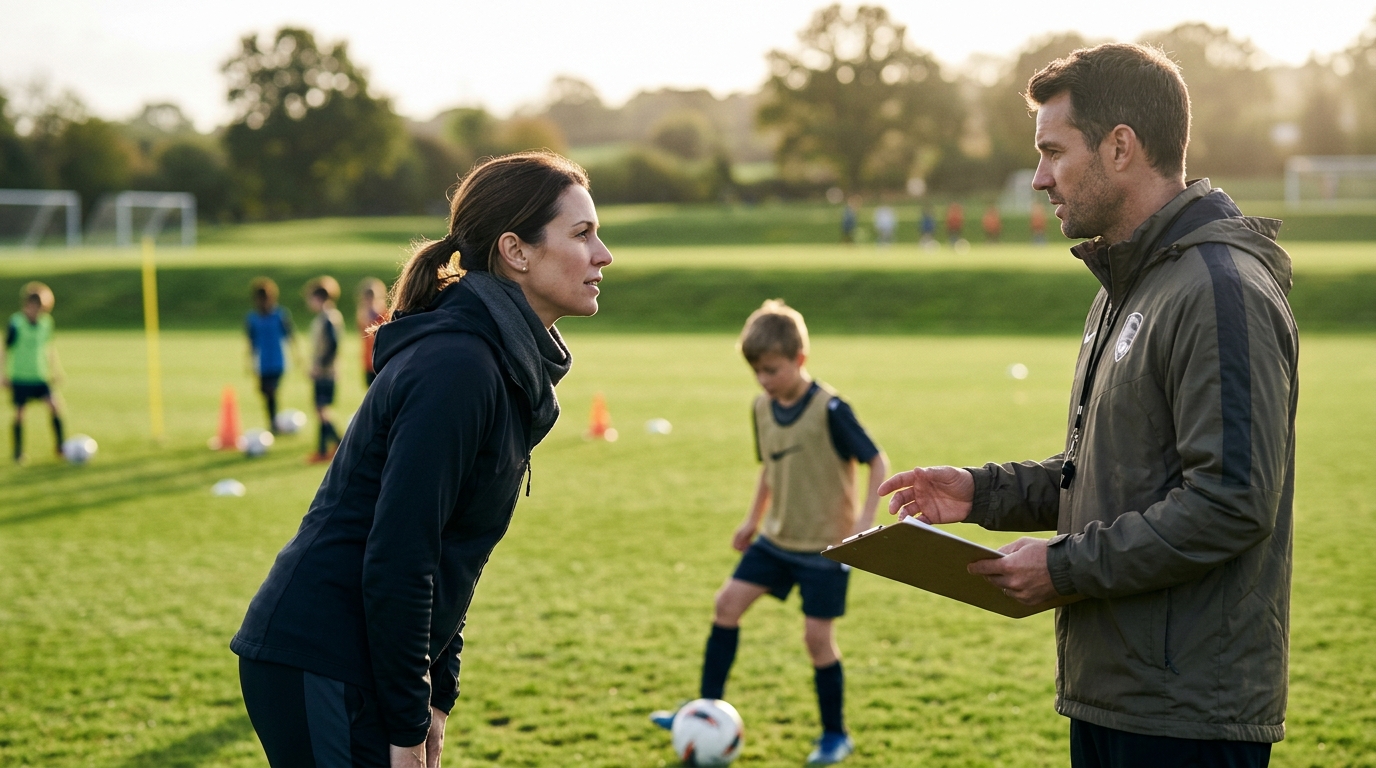
Before enrolling your child in a soccer training program, you should ask about the trainer's specific teaching methodology, their experience with your child's age group, and how they measure progress. These questions help you determine if the coach focuses on practical game skills rather than just flashy tricks. Global Futbol Training emphasizes that the right trainer provides a clear plan for technical development and confidence building.
Verify the Trainer's Playing and Coaching Credentials
Many parents assume that a former professional player is automatically the best choice for their child. However, playing experience does not always translate into effective teaching skills. A professional soccer trainer is a coach who combines practical playing knowledge with a structured approach to player development. You should ask the trainer to verify their playing history and coaching certifications. If a trainer claims to have played professionally, you can research their background online to confirm their credentials. This step ensures you are hiring someone with verified experience rather than relying on unverified claims.
Ask About the Specific Drills and Methodology
The quality of the training content matters more than the trainer's personality. You need to know exactly what your child will be practicing during the sessions. Ask the trainer to describe the specific drills they use for your child's age and skill level. For example, a good trainer will focus on fundamental mechanics like trapping, passing, and dribbling with proper form. They should be able to explain why certain drills are chosen over others. Avoid trainers who rely heavily on stationary freestyle tricks that do not translate to game situations. The goal is to build practical skills that help your child perform better on the field. according to Recreational Soccer Training
Inquire About Progress Tracking and Feedback
Improvement should be measurable and consistent. Ask the trainer how they track your child's progress over time. Do they provide feedback to parents after each session? A professional trainer will have a system for evaluating technical skills and adjusting the training plan accordingly. They should be able to show you specific examples of how a player's first touch or passing accuracy has improved. This transparency helps you understand the value of the program. It also ensures that the trainer is committed to your child's long-term development rather than just filling time.
Evaluate the Trainer's Character and Communication Style
The relationship between the trainer and the player is crucial for motivation. Ask about the trainer's approach to handling frustration or mistakes. A good coach builds confidence and encourages players to take risks. They should communicate clearly with both the player and the parents. You want a trainer who is reliable, punctual, and professional in their interactions. Ask for references from other parents who have worked with the trainer. This helps you gauge their character and commitment to the sport. A trainer with strong character will create a positive environment where your child feels supported.

Understand the Program Structure and Commitment
Before enrolling, you need to understand the logistics of the training program. Ask about the frequency of sessions and the duration of each lesson. Find out if the program is designed for short-term improvement or long-term development. You should also ask about the trainer's availability and cancellation policies. A professional trainer will have a clear business plan that includes consistent scheduling and communication. This ensures that your child receives the regular practice they need to improve. Understanding the structure helps you plan your schedule and budget effectively.
Key Takeaways
- Verify the trainer's playing and coaching credentials through online research.
- Ask for specific examples of the drills and methodology used in the program.
- Inquire about how progress is tracked and how feedback is provided to parents.
- Evaluate the trainer's character, communication style, and reliability.
- Understand the program structure, including session frequency and cancellation policies.
- Focus on practical game skills rather than flashy freestyle tricks.
- Ensure the trainer has experience with your child's specific age group.
Frequently Asked Questions
How do I verify if a soccer trainer actually played professionally?
You can research the trainer's name online to find their playing history. Look for official team rosters, news articles, or social media profiles that confirm their professional status. If you cannot find any evidence, it may be a red flag.
What is the difference between a good trainer and a professional trainer?
A good trainer has basic knowledge and a friendly personality. A professional trainer has verified credentials, a structured teaching methodology, and a commitment to consistent, high-quality instruction. They also have strong business practices and communication skills.
Should I ask the trainer to demonstrate the drills?
Yes, asking the trainer to demonstrate the drills can help you assess their technical knowledge. You want to see if they can perform the skills with proper form and explain the mechanics clearly. This gives you a better idea of what your child will be learning.
How often should my child train with a private soccer trainer?
The frequency depends on your child's age, skill level, and goals. For most youth players, one to two sessions per week is a good starting point. Consistency is more important than intensity, so choose a schedule that your family can maintain.
What should I do if I am not satisfied with the trainer?
Communicate your concerns with the trainer directly. If the issues are not resolved, you may need to find a different trainer. It is important to prioritize your child's development and well-being over convenience.
Conclusion
Choosing the right soccer trainer is a significant decision that can impact your child's development and love for the game. By asking the right questions about credentials, methodology, and character, you can make an informed choice. Global Futbol Training provides resources and guidance to help parents navigate this process. To learn more about our approach to player development, visit our About page or explore our online training programs.